Your team can use AI every day without the business having a dependable AI-enabled capability.
That is not a problem. Individual use can be genuinely useful.
One person might use AI to draft customer emails. Another might summarize long documents. Someone else might use it to organize notes, compare options, or get a first draft moving. Those habits can save time and make work easier.
But they are still mostly personal ways of working.
The result often depends on the person: which tool they use, what information they remember to include, how carefully they check the answer, and whether they recognize when something looks wrong. If that person changes roles, goes on vacation, or stops using the tool, the practice may disappear with them.
The picture changes when the business wants to depend on the result.
Now the work needs to be repeatable. The right information has to be available. Someone needs to own the outcome. People need to know when to review or escalate a case. The output needs to connect cleanly to whatever happens next. And someone has to notice when the process stops working as intended.
AI can be an important part of that system, but simply using AI does not create it.
So the question changes too.
When you are experimenting, you are usually asking, “Can this help me?”
When the business starts depending on the work, the question becomes, “Can another capable person get an acceptable result without having to reinvent the process every time?”
Four different levels of AI use
It helps to separate four situations that often get bundled together as “AI adoption.” They are not a maturity ladder, and not every use needs to move through all four. They are simply different ways AI can show up in a business.
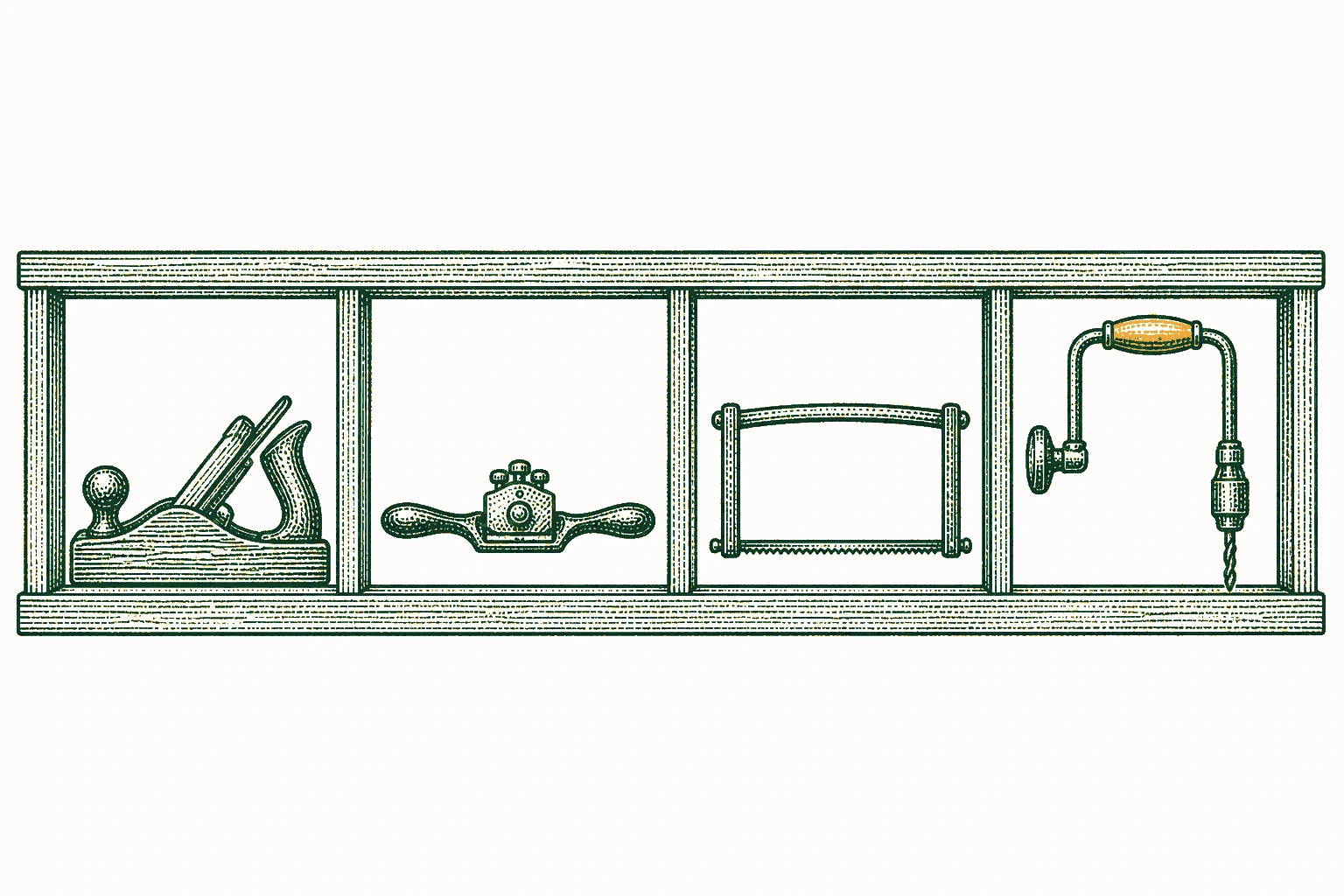
- Experimentation
- Individual productivity
- Team practice
- Business capability
1. Experimentation
Someone is learning what AI can do.
They try a prompt, test a product, upload a document, or explore whether AI can help with a task. The goal is discovery. The process can be inconsistent because the business is still learning.
This is useful. Experimentation is how many good opportunities are found.
But an experiment should not be mistaken for evidence that the business can rely on the result.
2. Individual productivity
A person has found a repeatable way to make some of their own work easier.
They may use AI to prepare meeting notes, draft routine messages, summarize research, organize an outline, or compare information. They understand the task and personally judge whether the output is acceptable.
This can create real value without becoming a formal company system.
In many low-risk situations, that may be all the structure the business needs.
3. Team practice
Several people begin using a shared approach.
Perhaps the team has a common prompt, a set of examples, a documented process, or an agreed way to review the output. The practice is becoming less dependent on one person, but it may still rely on informal knowledge and manual coordination.
This is where questions about consistency start to matter more.
Do people use the same information? Do they check the same things? Does everyone know which cases are inappropriate? What happens when the normal process does not fit?
4. Business capability
AI is now part of a defined way the business gets something done.
The team has agreed on the workflow, the information it needs, who is responsible, when a person should review the result, how unusual cases are handled, and how the work connects to the rest of the business. The company is no longer relying on each employee to figure all of that out on their own.
This does not require a complicated custom platform.
A small company could build a dependable process around a standard AI subscription, shared instructions, well-organized company information, a clear review step, and tools it already uses.
The sophistication should match the problem.
The biggest change is not more technology. It is more operating clarity.
What changes when AI becomes part of the business
Turning a useful AI habit into something the business can rely on does not mean adding process for the sake of process. It means making the hidden judgment around the work explicit.
Seven things usually need attention.
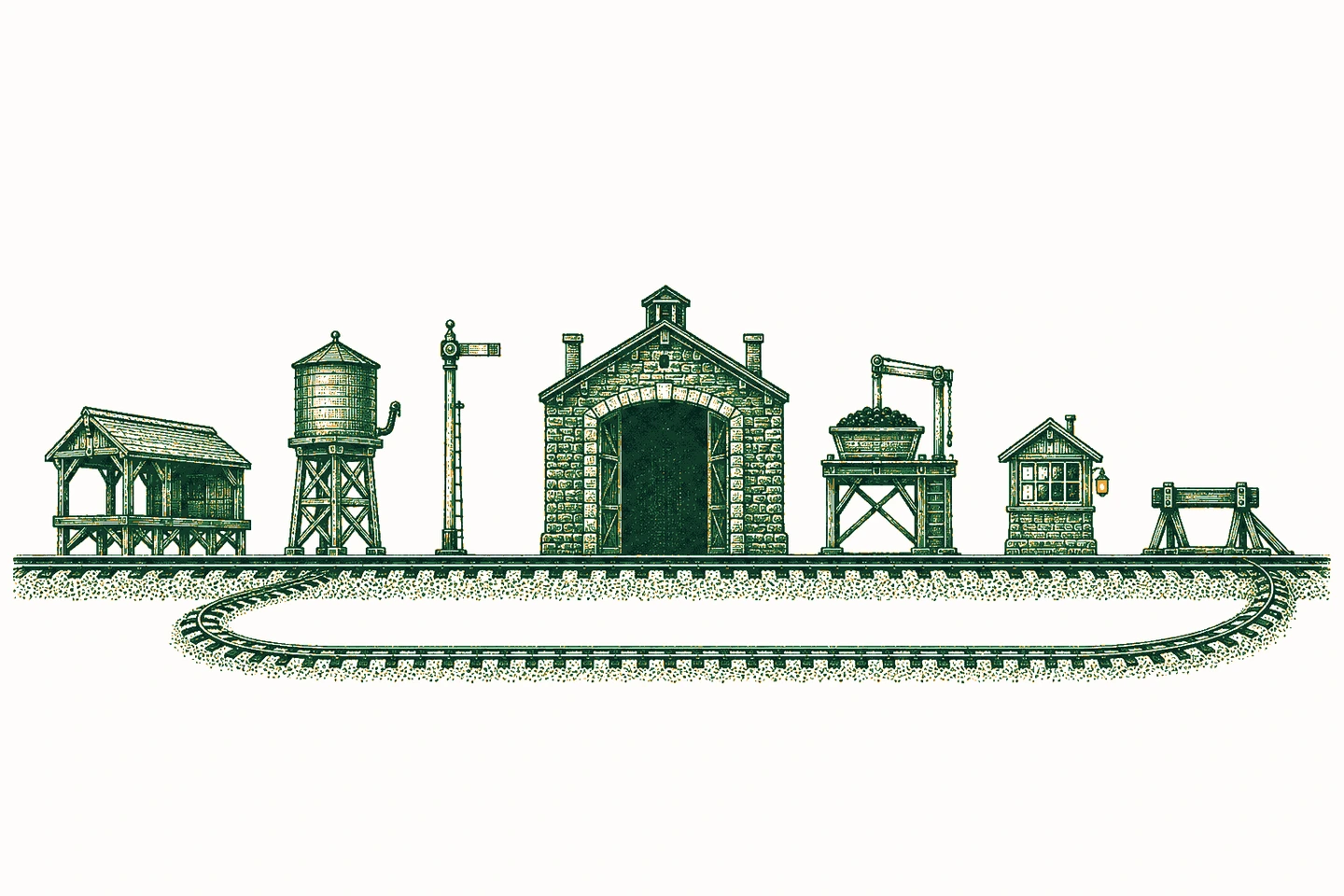
- Incoming request
- Current information
- AI analysis
- Human review
- Business action
- Ownership
- Ongoing checking loops back
Start with the result
What should actually improve?
“Use AI for customer service” is not an operating outcome.
“Prepare accurate first-draft responses to routine order questions so staff can spend more time on exceptions” is much better. Now you know what the work is supposed to improve and where the boundary sits.
The business needs a result it can actually recognize.
Look at the whole workflow
Where does the work begin, and what happens after the AI produces something?
The useful unit is usually not the prompt. It is the whole flow of work around it.
A customer response might start with an incoming request, pull in account information and company policy, use AI to prepare a draft, go through human review, get sent to the customer, and then be recorded in the right system.
If AI makes one step faster but creates extra work somewhere else, the business may not have improved much at all.
Give it the right information
What does the system need in order to do the work correctly?
An experienced employee may already know which policy is current, which spreadsheet to trust, which customer details matter, and which exception changes the answer. AI does not automatically know any of that.
The right information has to be current, trustworthy, appropriate for the task, and available when the work happens.
A polished answer based on stale information is still the wrong answer.
Decide who owns the result
Who owns the outcome?
Someone needs to own the result. That person or team should know what good performance looks like, which cases need review, and what to do when the process fails.
That matters more as AI moves from private assistance into shared work or decisions with real consequences.
NIST’s voluntary AI Risk Management Framework makes a similar point. It calls for clear roles, human oversight, and ongoing monitoring, and it treats risk management as something that continues throughout the life of the system rather than something settled when a tool is chosen. NIST AI RMF Core
Know when a person needs to step in
What should happen when the normal path is not safe or reliable?
Real work will not always look like the examples that worked during testing.
Some inputs will be incomplete. Customers will ask unusual questions. Policies may conflict. AI will misunderstand things. Some requests will simply need a person to make the final call.
The process needs a clear way to separate routine cases from the ones that should stop, escalate, or get a closer look.
How much review you need depends on what happens if the answer is wrong. An internal draft is different from a message that commits the company to a price, changes a financial record, or affects an important customer decision.
Make it fit the real work
Can people use the capability without creating a second job for themselves?
A technically impressive tool can still make work worse. Employees may have to copy information between systems, re-enter the result, hunt for missing context, or check so much of the output that any time savings disappear.
That is why adoption is partly a design problem.
The process needs to fit the tools and habits people actually use. If it asks them to change those habits, the improvement has to be worth the added friction.
Keep checking and updating it
How will the business know whether the capability is still useful?
The answer does not need to be an elaborate dashboard.
For a small workflow, a few simple signals may be enough. Is the result usually acceptable? What kinds of errors keep showing up? How much review does it need? Are customers or employees actually getting a better outcome? Is the process still saving enough effort to be worthwhile?
Someone also needs to keep it current.
Policies change. Products change. Staff find new exceptions. AI products change behavior. The workflow itself evolves.
NIST’s Generative AI Profile also treats evaluation and risk management as ongoing work, not a one-time deployment step. NIST Generative AI Profile
If nobody owns those changes, a useful AI workflow can slowly turn into an outdated one.
A hypothetical example: from a personal shortcut to a company capability
Imagine a hypothetical ten-person home-services company.
One employee discovers that AI can help draft responses to new service inquiries. They paste the customer’s message into an AI product, add a few notes, and edit the result before replying.
It works well enough that they use it most days.
That is useful individual productivity.
Now the owner wants the whole office to use the same approach.
Simply sharing the employee’s prompt does not create the capability.
The team still needs to answer questions such as:
- Which inquiries should the AI help with?
- What information about services, service areas, scheduling, and pricing may it use?
- Which information is authoritative when two sources disagree?
- Which promises may never be made automatically?
- Which unusual requests need to go directly to a manager?
- Who reviews a draft before it is sent?
- Where is the final response recorded?
- What happens when the AI cannot tell what the customer needs?
- How will the company notice that the process is producing more corrections instead of fewer?
- Who updates the instructions when prices, policies, or services change?
None of those questions requires an advanced AI architecture.
But together they determine whether the company has a repeatable process or a shared shortcut.
The same AI product might still be the right tool. What changed is the way the business designed the work around it.
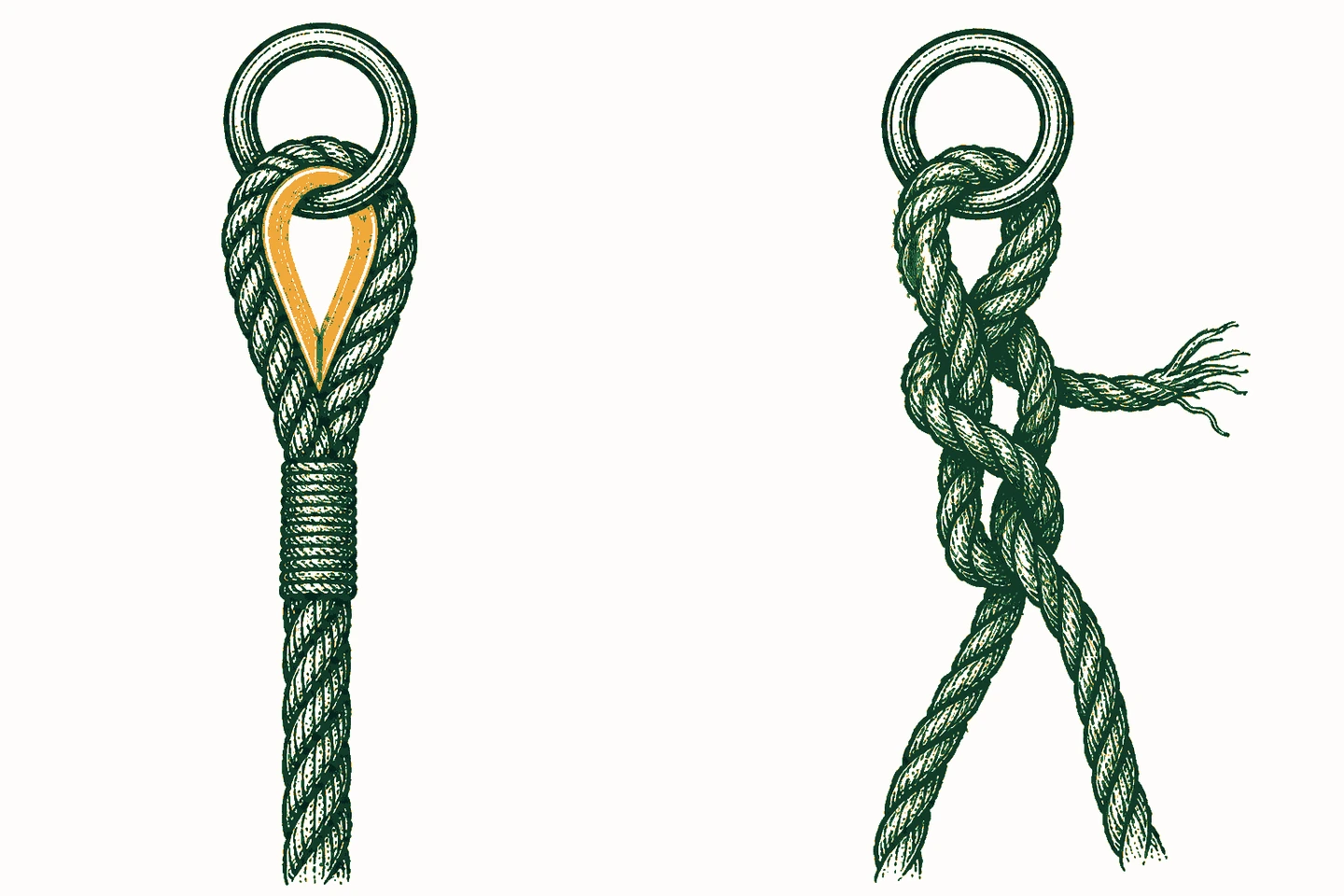
- Documented shared process, same result
- Unclear handoff, inconsistent result
Add structure only when the business needs it
There is a risk in taking this idea too far.
Not every useful AI habit needs a formal workflow, owner, test suite, and governance process.
If one employee occasionally uses AI to brainstorm wording for an internal presentation, the business may gain nothing by turning that into a managed capability.
The need for structure increases when the work becomes more important to the organization.

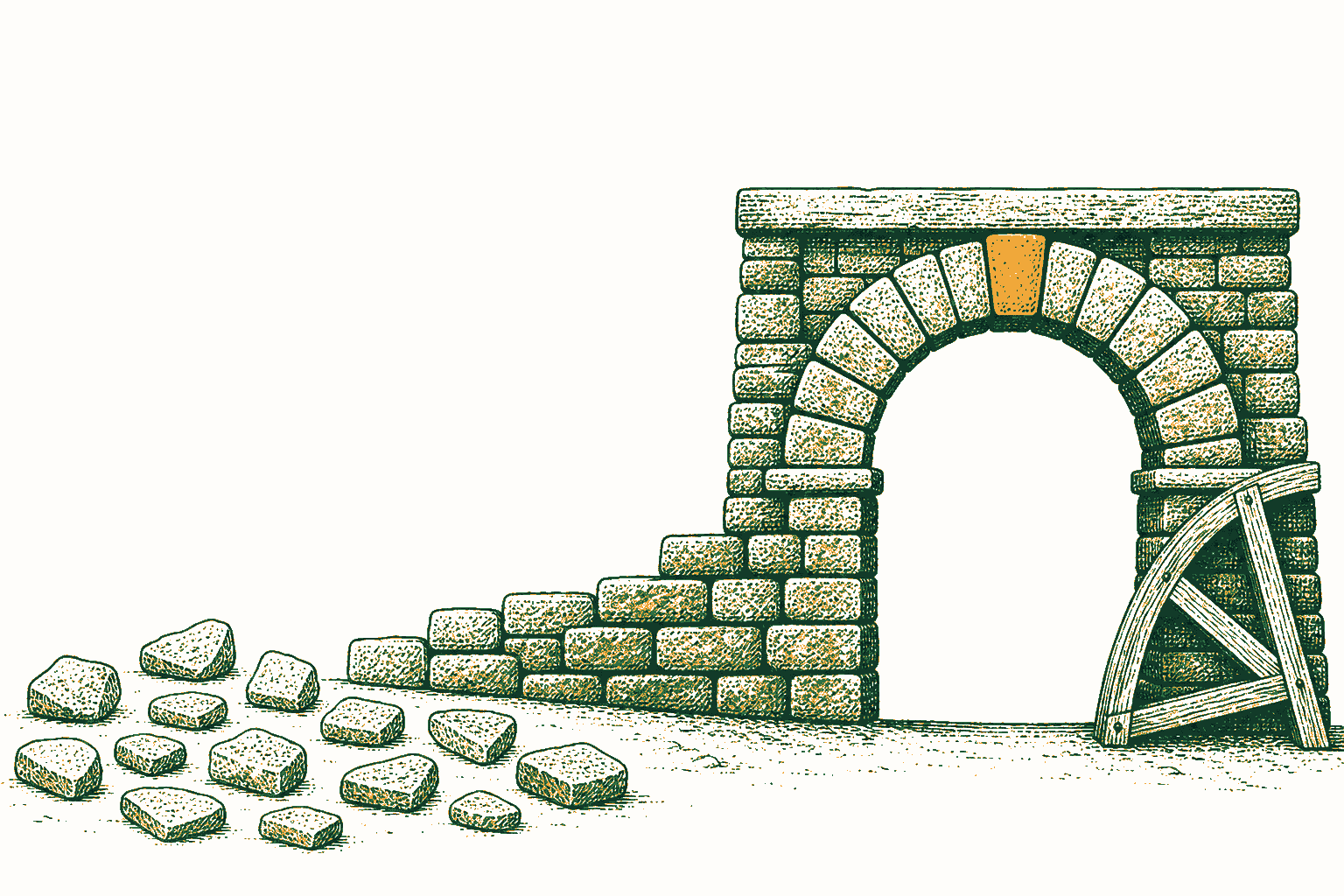
- Lightweight use
- Shared workflow
- Business-critical process
Growing business dependence
More structure starts to pay off when:
- several people depend on the same process;
- the business expects consistent results across employees;
- errors can affect customers, money, safety, legal obligations, or important decisions;
- the AI needs access to company information or business systems;
- the workflow runs often enough that small problems repeat at scale;
- the output triggers another action;
- the business would be disrupted if the process stopped working;
- the company needs to know whether the effort is actually producing value.
This follows a broader Gecko Road principle: complexity must earn its place.
Add enough structure to make the outcome dependable, but no more than the work actually needs.
A simple way to check your own AI use
Take one AI use that already exists in your business and ask:
- Is the business outcome clear? Can you describe what should improve without describing the AI feature?
- Could another capable person run the process? Or does it depend on one employee’s undocumented habits?
- Is the necessary information available and trustworthy? Does the process use the right company information at the right time?
- Is responsibility clear? Who owns the result and decides what acceptable performance means?
- Are review and escalation conditions understood? Do people know when to trust, check, stop, or escalate the work?
- Does the output connect cleanly to the next business action? Or does it create duplicate entry, manual cleanup, or another disconnected step?
- Can you tell whether it is helping? Do you have a practical way to notice quality problems, review burden, or a lack of real value?
- Will someone maintain it? Who updates the process when the information, AI product, policy, or workflow changes?
If several answers are “no,” that does not mean the AI use is bad.
You may simply have a useful experiment, personal productivity habit, or early team practice that the business is not ready to depend on yet.
Knowing that can stop you from scaling something too early. It can also show the opposite: a simple practice may already be useful and only need a little more structure before more people can rely on it.
Do not count AI users. Look for dependable outcomes.
A company does not become AI-enabled because a certain percentage of employees have accounts or because people are encouraged to try a new tool.
Those are signs that people are experimenting and learning. They do not tell you whether the business can rely on the result.
A better question is:
Which important business outcomes can we now produce more reliably because AI is part of a clear, repeatable way of working?
That tells you much more than an adoption count.
You do not need AI embedded everywhere. You need a dependable process when the business wants to rely on AI for work that matters.
If you have a workflow in mind and are unsure whether it is ready for AI, read How Gecko Road Works for the principles behind examining workflow, information, authority, reliability, and operating burden.
Sources
- AI Risk Management Framework Core, National Institute of Standards and Technology.
- Artificial Intelligence Risk Management Framework: Generative Artificial Intelligence Profile, National Institute of Standards and Technology.
Evidence note: The four operating levels, the formalization threshold, and the practical capability check are Gecko Road analysis and decision guidance. They are not presented as NIST categories or as a regulatory standard. The home-services example is hypothetical.